


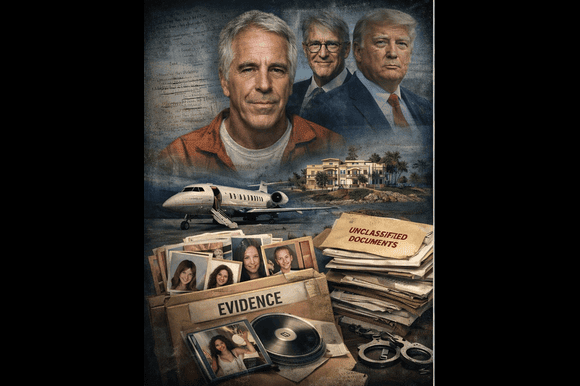
The Epstein Files are a huge collection of documents gathered by U.S. authorities during investigations into Jeffrey Epstein, the financier who ran a long-term sex-trafficking operation involving underage girls. Epstein died in jail in 2019 while awaiting trial.
These records include:
- Emails, text messages, and contact lists
- Flight logs and travel records
- Witness statements and interview notes
- Photos, videos, and digital files seized as evidence
- Grand jury and investigative materials related to Epstein and his associate Ghislaine Maxwell
In late 2025 and early 2026, the U.S. Department of Justice began releasing these materials to the public under a transparency law passed by Congress. The goal was to increase accountability and public understanding of how Epstein operated and who had contact with him.
2. What Was Released in the Latest Files?
In January 2026, the Justice Department published what it described as the final major batch, totaling millions of documents.
These files contain:
- Tens of thousands of names
- Communications spanning decades
- Records from multiple investigations in the US and abroad
Importantly, being named in the files does not mean someone committed a crime. Many people appear only because they were mentioned in emails, calendars, contact lists, or third-party statements.
3. Key Revelations From the New Files
A. Widespread Contact With Powerful Figures
The files show Epstein maintained contact with politicians, business leaders, academics, and celebrities in some cases even after his 2008 conviction for sex crimes.
Some documents reveal emails or meetings with senior officials and well-known public figures. Authorities and representatives for many of those named say the contacts were limited or non-criminal, and no charges have been brought against most individuals mentioned.
B. Re-exposure of Victims
A major controversy emerged when journalists discovered that dozens of victims’ names were accidentally left unredacted in the public release.
As a result:
- The DOJ temporarily removed thousands of documents
- Officials admitted redaction failures
- Victim-advocacy groups strongly criticised the handling of the release
This highlighted the tension between transparency and protecting survivors’ privacy.
C. Renewed Focus on Specific Individuals
Some names appear hundreds or thousands of times, drawing renewed scrutiny. In certain cases, the files have triggered:
- Fresh media investigations
- Police inquiries outside the United States
- Renewed public debate over previously denied allegations
Again, frequency of mentions alone does not establish guilt.
D. Disturbing Language and Coded References
Some emails contain unusual phrasing, nicknames, or themes that researchers believe may have been coded language. While these messages have raised concerns, experts caution that interpretation without corroborating evidence is risky.
4. Problems and Criticism of the Release
The release process has faced heavy criticism:
- Privacy failures, especially involving victims
- Heavy redactions that limit clarity in many documents
- Public confusion, with expectations of a clear “client list” that does not exist in the files
- Claims that while the volume is massive, truly new criminal evidence is limited
Many legal experts say this reflects how complex and fragmented real investigations are, rather than a cover-up.
5. Why the Epstein Files Matter
Despite the problems, the Epstein Files are significant because they:
- Provide primary source material for journalists and investigators
- Reveal how Epstein maintained influence and access over decades
- Expose institutional failures that allowed him to operate for so long
- Force governments to confront how they handle elite criminal investigations
- Keep public attention on victims rather than letting the case fade away
- The Epstein Files are raw investigative records, not verdicts
- Names appearing in documents do not equal criminal guilt
- The latest releases focus more on context and networks than new charges
- Victim protection remains a serious unresolved issue
- Further investigations may still emerge, especially outside the US