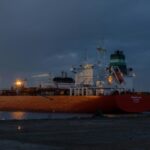



The International Energy Agency (IEA) has agreed to release a record amount of emergency oil reserves as global energy markets face severe disruption following attacks on shipping near the Strait of Hormuz. The decision comes amid rising tensions linked to the escalating conflict involving Iran, the United States, and Israel, which has begun to threaten one of the world’s most critical oil supply routes.
Emergency Oil Release to Stabilize Markets
The IEA announced that its member countries would coordinate the release of strategic petroleum reserves to calm markets and prevent a severe global energy shortage. Officials said the decision was taken after consultations between major consuming nations as oil prices surged due to fears that supplies from the Middle East could be disrupted.
IEA members collectively hold about 1.5 billion barrels of emergency oil stocks, designed to be used during crises affecting global supply. Energy ministers agreed that a large portion of these reserves could be released if the situation in the Gulf worsens. The move aims to stabilize markets, reassure consumers, and prevent further spikes in fuel prices.
According to analysts, the planned release could become the largest coordinated oil reserve drawdown in history, surpassing previous emergency releases during major crises such as the Gulf War and recent energy disruptions.
Attacks on Shipping in the Strait of Hormuz
The emergency measure comes after several commercial vessels were struck or damaged near the Strait of Hormuz, the narrow maritime passage connecting the Persian Gulf to the Gulf of Oman.
The waterway lies between Iran and Oman and serves as a critical global energy corridor. Roughly 20% of the world’s oil supply passes through the strait every day, making it one of the most strategically important shipping routes on the planet.
Recent incidents involved missile and drone strikes targeting cargo ships and oil tankers operating near the strait. Several vessels reported explosions and fires onboard, while maritime security agencies warned ships to avoid the area if possible.
Although the full extent of the damage is still being assessed, the attacks have raised alarm among global shipping companies and insurers. Some carriers have already suspended routes through the strait, while others are charging significantly higher premiums for vessels entering the region.
Oil Prices Surge Amid Supply Fears
Global oil prices reacted immediately to the attacks and the growing risk to supply routes. Benchmark crude prices jumped sharply, briefly moving above $100 per barrel as traders feared that a prolonged conflict could interrupt shipments from major Gulf producers.
Countries such as Saudi Arabia, United Arab Emirates, Kuwait, and Iraq rely heavily on the Strait of Hormuz to export crude oil to international markets. Any disruption to this route could significantly tighten global supply.
Energy experts warn that if the strait were partially blocked or if attacks on tankers continue, oil prices could climb much higher, potentially triggering global inflation and economic shocks.
Military Tensions Increasing in the Gulf
The incidents at sea are occurring against the backdrop of an escalating military confrontation involving Iran and Western forces. The United States has increased its naval presence in the Gulf to protect commercial shipping and deter further attacks.
The United States Navy has reportedly deployed additional warships and surveillance aircraft to patrol the shipping lanes, while regional allies have heightened security around key ports and energy infrastructure.
Iran has denied responsibility for some of the attacks but has warned that it could respond to military actions by the United States and Israel if its territory or interests are threatened.
Global Economic Concerns
The situation has raised widespread concerns about the stability of the global energy market. Economists warn that prolonged disruption in the Gulf could affect fuel prices, airline costs, shipping rates, and the broader global economy.
Several governments are already preparing contingency plans, including drawing on national fuel reserves and seeking alternative supply routes.
The IEA said its coordinated reserve release is intended to buy time for markets and prevent panic, but officials stressed that the long-term outlook depends on whether tensions in the region escalate further or diplomatic efforts succeed in easing the crisis.
A Critical Moment for Global Energy Security
The attacks on ships in the Strait of Hormuz underline the vulnerability of global energy supply chains to geopolitical conflict. As one of the world’s most important oil transit routes faces growing security threats, governments and energy markets are closely watching developments in the Gulf.
For now, the release of emergency oil reserves may help stabilize prices temporarily, but analysts warn that the situation remains highly volatile and could quickly worsen if further attacks on shipping occur.