

28 February 2026
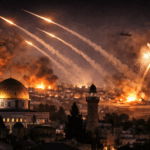
Governments around the world have reacted with urgency and concern after coordinated military strikes by the United States and Israel targeted sites inside Iran, followed by Tehran’s sweeping missile and drone retaliation across the region. The rapid escalation has prompted emergency diplomatic consultations, sharp condemnations, and widespread calls for restraint amid fears of a broader Middle East conflict.
United Nations Urges Immediate De-Escalation
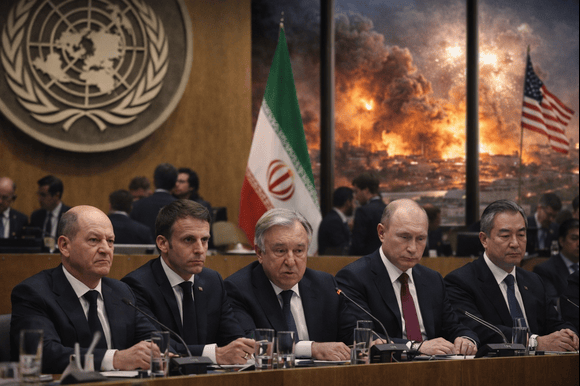
The United Nations called for calm as tensions surged. Secretary-General António Guterres warned that continued military exchanges risk undermining global peace and security, urging all sides to halt hostilities and return to diplomatic channels. Diplomats pushed for an emergency session of the Security Council to address the unfolding crisis.
Europe Calls for Restraint and Dialogue
European leaders voiced alarm over the confrontation. France, Germany and the United Kingdom emphasized the need to prevent further escalation and protect civilians. Officials warned that the conflict could destabilize energy markets and intensify security risks beyond the Middle East. Several European capitals reiterated support for diplomatic engagement to defuse tensions and avoid prolonged warfare.
Russia and China Criticize Escalation
Russia strongly condemned the US–Israeli operation, describing it as a dangerous escalation that could destabilize the wider region. Moscow called for restraint and signaled readiness to support mediation efforts.
China similarly urged all parties to exercise caution, emphasizing dialogue and negotiation as the only viable path to restoring stability. Beijing warned that continued confrontation could have far-reaching economic and security consequences.
Reactions Across the Middle East
Countries across the Gulf region responded cautiously but firmly.
- Saudi Arabia denounced attacks affecting Gulf territories and stressed the importance of regional security.
- Qatar, Kuwait, and the United Arab Emirates condemned violations of their airspace and sovereignty, reaffirming their right to self-defence.
- Egypt expressed concern that the confrontation could spiral into wider regional instability.
- Oman, which has previously acted as a mediator between Washington and Tehran, called for renewed diplomatic efforts to prevent further escalation.
Leaders across the region warned that sustained hostilities could threaten shipping routes, energy exports, and civilian safety.
Heightened Security Worldwide
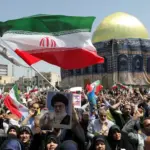
In response to the escalating crisis, security agencies in major cities around the world increased alert levels. Authorities in the United States and parts of Europe stepped up protective measures at sensitive sites amid concerns about potential spillover effects. Public demonstrations calling for peace and de-escalation were reported in several capitals.
Humanitarian Concerns Grow
International humanitarian organizations cautioned that further military action could severely impact civilian populations and critical infrastructure. Aid agencies stressed the need to uphold international humanitarian law and ensure the protection of non-combatants amid intensifying hostilities.
A Fragile and Uncertain Outlook
With military forces on heightened alert and diplomatic channels under strain, the situation remains volatile. While global leaders continue to press for de-escalation and dialogue, the exchange of strikes has deepened geopolitical divisions and raised fears of a prolonged regional conflict.
For now, the world watches closely as diplomatic efforts attempt to prevent the crisis from spiraling into a wider war.