

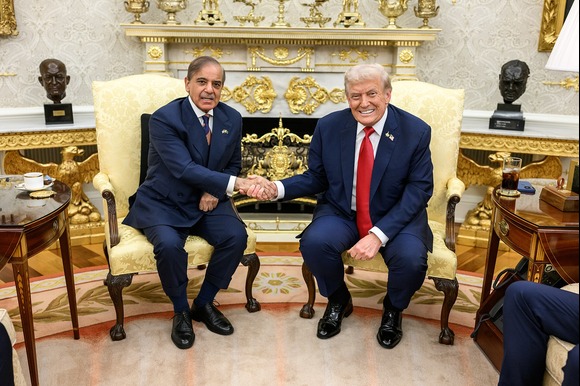
Pakistan has stepped into the global spotlight after playing a crucial role in easing one of the most dangerous geopolitical confrontations of 2026, helping secure a temporary ceasefire between the United States and Iran following weeks of escalating tensions that had pushed the region to the brink of war.
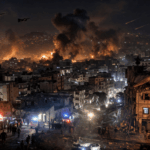
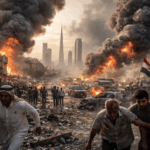
The crisis unfolded after a series of military and economic confrontations between Washington and Tehran, including threats to energy infrastructure and heightened tensions in the strategic Strait of Hormuz. The waterway, a vital artery for global oil supply, became a flashpoint as fears of disruption sent shockwaves through international markets.
Both sides adopted increasingly aggressive postures. The United States signaled readiness for potential military action, while Iran warned of severe retaliation against any strikes on its territory or interests. With no formal diplomatic relations between the two countries, direct communication remained nearly impossible, increasing the risk of miscalculation.
Amid the escalating crisis, Pakistan emerged as a key intermediary. Islamabad’s long-standing ties with both Washington and Tehran, along with its relationships across the Gulf and with global powers, positioned it as a credible and neutral mediator.
Rather than taking a public stance, Pakistan pursued quiet diplomacy—engaging multiple stakeholders behind closed doors while avoiding inflammatory rhetoric. This balanced approach helped build trust on both sides at a time when tensions were running high.
The turning point came when negotiations were close to collapsing. Pakistani officials initiated an urgent diplomatic push, reaching out to senior leadership in both capitals and coordinating with regional actors to keep dialogue alive.
Islamabad reportedly put forward a phased de-escalation plan, beginning with an immediate ceasefire followed by structured negotiations on more complex issues such as regional security and nuclear concerns. By addressing key fears on both sides—particularly security guarantees and restraint in military actions—Pakistan was able to bridge critical gaps.
On April 7, 2026, the United States and Iran agreed to a temporary ceasefire, widely seen as a breakthrough moment. The agreement includes a pause in major hostilities and steps to stabilize the situation, including easing tensions around the Strait of Hormuz.
However, the deal is not a permanent resolution. It is designed as a confidence-building measure to create space for further talks, with deeper disagreements still unresolved.
The international community has largely welcomed Pakistan’s diplomatic success. Governments and international organizations have praised Islamabad for helping prevent a wider conflict that could have destabilized the entire Middle East and disrupted global energy supplies.
The move has also elevated Pakistan’s profile as an emerging mediator in international crises, demonstrating its ability to navigate complex geopolitical rivalries.
Despite the ceasefire, the situation remains fragile. Long-standing mistrust between the United States and Iran continues to cast a shadow over future negotiations. At the same time, overlapping regional tensions—particularly involving Israel and Lebanon—add further uncertainty.
Experts caution that without sustained diplomatic engagement, the ceasefire could unravel, potentially leading to renewed and even more intense conflict.
Pakistan’s role in brokering the ceasefire underscores its growing importance in global diplomacy. By leveraging its strategic relationships and maintaining a careful balance, Islamabad managed to bring two adversaries to the negotiating table at a critical moment.
While the agreement is only a temporary pause in hostilities, it represents a significant step toward de-escalation—and a potential foundation for more comprehensive peace efforts in the future.