

Islamabad | Special Report
After more than 21 hours of intense face-to-face negotiations, the highly anticipated talks between the United States and Iran in Islamabad have ended without an agreement, as major disagreements continue to divide both sides.
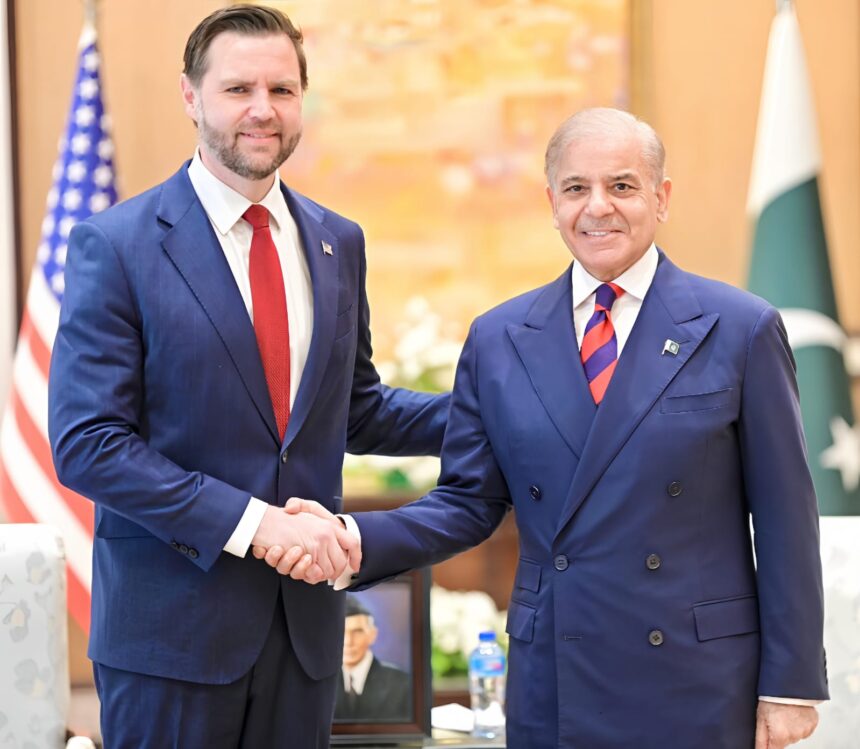
The talks, seen as a crucial step toward stabilizing the region and preserving a fragile ceasefire, concluded with JD Vance departing Islamabad without a deal, signaling a temporary diplomatic setback.
Key Disagreements Remain
Despite “substantive discussions,” both sides failed to bridge deep differences on core issues:
- Sanctions Relief:
Iran pushed for immediate removal of economic sanctions and release of frozen assets, while the U.S. tied any relief to broader commitments. - Nuclear Program:
Washington demanded firm guarantees that Iran would not pursue nuclear weapons—something Tehran resisted, calling the demands excessive. - Strait of Hormuz:
Control and reopening of the strategic waterway remained another major sticking point, with global energy markets closely watching developments.
Vance Leaves Without Agreement
Speaking after the talks, JD Vance described the outcome as disappointing, stating that the U.S. had presented its “final and best offer,” which Iran ultimately did not accept.
The U.S. delegation’s departure underscores the seriousness of the deadlock, but officials on both sides indicated that no one expected a complete agreement in a single round of talks.
A Fragile but Ongoing Process
While the absence of a deal raises concerns, it does not signal the end of diplomacy:
- A fragile ceasefire remains in place for now.
- Both sides have left the door open for continued negotiations.
- Pakistan’s role as mediator continues to be seen as critical in keeping dialogue alive.
The Bigger Picture
The Islamabad talks represent the first direct high-level engagement between the U.S. and Iran in decades, making even limited progress significant.
Although no agreement has been reached, the continuation of dialogue itself offers a glimmer of hope in an otherwise tense geopolitical landscape.