


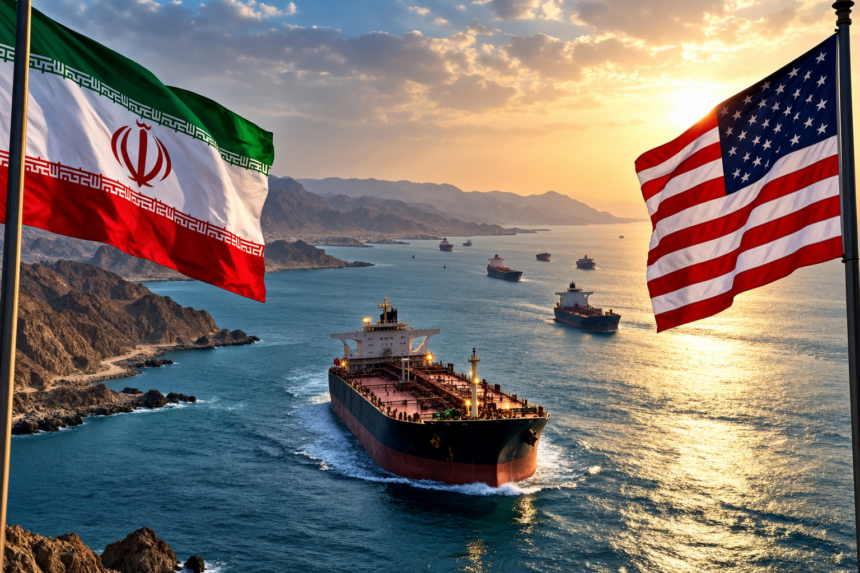
Iran has presented the United States with a proposal that could restore normal shipping through the Strait of Hormuz within seven days, adding a new diplomatic dimension to the ongoing conflict between the two countries.
US Retaliates Against Iran After Missile Attacks
Iranian Foreign Minister Abbas Araghchi announced the proposal in New York during the United Nations General Assembly. He said Tehran had sent the plan to Washington through Qatar and that the seven-day timetable would begin once the United States agrees to the proposed conditions.
Tehran links reopening to broader agreement
Araghchi said Iran is prepared to restore maritime traffic through the strategic waterway if the necessary steps are taken by Washington.
Under the reported framework, the United States would need to ease its naval pressure on Iran and make other concessions connected to sanctions and the wider conflict. Reports also indicate that the proposal includes a regional ceasefire and measures involving Iranian oil exports.
Araghchi described the demands as largely consistent with an understanding reached between Iran and the United States in June.
He said that, if Washington accepts the proposal, initial measures could be completed during the first several days, with the Strait of Hormuz reopening around the sixth day. Further negotiations on outstanding issues would then begin on the seventh day.
Nuclear negotiations could restart
The proposal is not limited to shipping. Iran has also connected the plan to a possible return to negotiations over its nuclear programme.
Tehran says the reopening of the waterway could provide a pathway toward broader talks with Washington. The previous June understanding also included provisions intended to reduce hostilities and create space for negotiations, but that arrangement later collapsed.
The latest proposal therefore represents an attempt to revive diplomacy while setting a much shorter timetable for restoring maritime traffic.
Why the Strait of Hormuz matters
The Strait of Hormuz is one of the world’s most important energy corridors, connecting the Persian Gulf with the Gulf of Oman and the wider Arabian Sea.
Before the current conflict, about one-fifth of globally traded oil and gas moved through the waterway. Restrictions on shipping have consequently created concerns about energy supplies, transportation costs and prices in international markets.
The disruption has also placed greater pressure on countries and companies that depend on reliable energy shipments through the region.
Washington faces a diplomatic decision
The United States has not publicly accepted Iran’s proposal. US officials have indicated that discussions through intermediaries are continuing, while Washington has maintained pressure on Tehran.
Araghchi said the next move belongs to the United States and argued that Iran is ready to implement the proposed timetable if Washington demonstrates a willingness to reach an agreement.
The proposal now puts diplomacy at the centre of the dispute over the Strait of Hormuz. Whether the two governments can agree on the conditions, verify their implementation and restore commercial shipping remains unresolved.
For international energy markets, the outcome could be significant because any sustained return of normal traffic through Hormuz would reduce one of the major sources of uncertainty surrounding regional oil and gas supplies.