

Massive Strikes Shake Iran, Trigger Regional Retaliation
In a dramatic and far-reaching escalation in the Middle East, the United States and Israel have launched coordinated military strikes on the Islamic Republic of Iran, targeting key military and government infrastructure across the country.
President Donald Trump announced the offensive, describing it as a major operation designed to neutralize perceived threats from Iran’s leadership and military capabilities. In a video message, he called on the Iranian people to “seize control of your destiny” and rise up against the nation’s clerical rulers.
Explosions and plumes of smoke were reported over Tehran and other cities early Saturday, with sirens blaring and civilian panic spreading as residents fled urban centres.
Retaliation and Regional Fallout
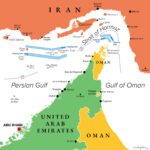
Iran has responded with missile and drone strikes against Israeli territory and U.S. military bases throughout the Gulf, including in Bahrain, Kuwait and Qatar, heightening fears of a prolonged regional conflict.
Some Gulf states , including the UAE intercepted incoming attacks, but reports indicate at least one civilian has been killed by missile debris in the region.
International Reactions and Impact
-
Russia condemned the strikes as an “unprovoked act of armed aggression,” and called for an end to the violence.
-
Commercial oil shipments via the Strait of Hormuz are being seriously disrupted, with major companies suspending operations amid safety fears.
-
Global airspace closures and suspended flights reflect widespread concern over rapid escalation.
Civilian Toll and Humanitarian Fears
Reports from southern Iran indicate dozens of civilian casualties, including tragic losses at a girls’ school in Minab province.
The Iranian leadership insists it will defend the nation, while world powers call for an emergency U.N. Security Council session to address the crisis.
Saturday, February 28, 2026
Middle East (Tehran, Iran & Gulf region)