

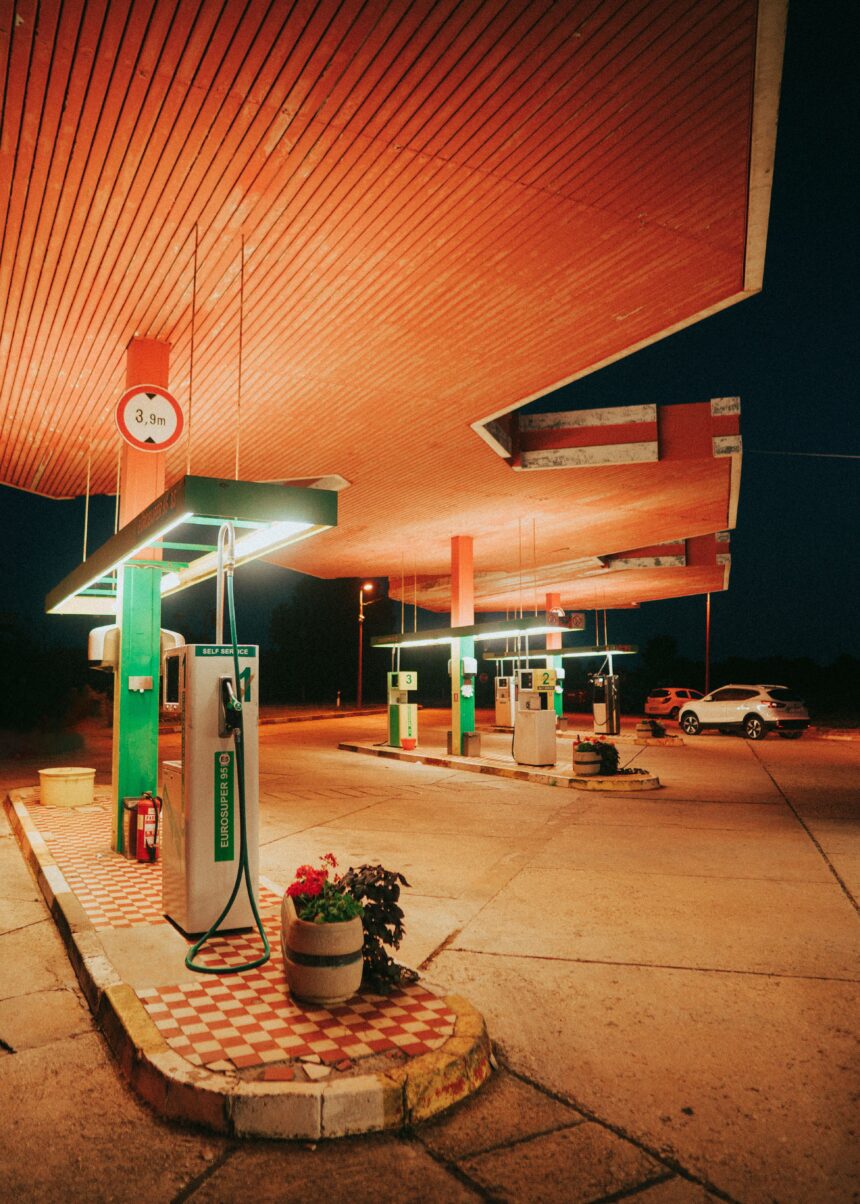
Drivers across the UK have stolen almost £200,000 worth of fuel from petrol stations every day on average since the outbreak of the Iran war pushed energy prices sharply higher, according to new industry analysis.
Data compiled by fuel theft prevention company Forecourt Eye suggests that incidents involving motorists taking fuel from petrol station forecourts without paying have increased by around one-fifth during the five months since the conflict began on 28 February.
The war in the Middle East caused major disruption to oil supplies throughout the region, leading to higher wholesale energy prices. Those increases were later passed on to consumers, causing the cost of petrol and diesel at UK filling stations to rise significantly.
Forecourt Eye estimated that the value of fuel stolen from petrol stations increased by 48% compared with the five-month period before the conflict. The company calculated that the value of stolen fuel had reached an estimated average of £194,000 per day.
The fuel theft prevention company also said petrol station operators had reported a growing number of incidents involving “abuse, intimidation and violence from frustrated customers” as higher prices placed additional financial pressure on motorists.
The analysis was based on a representative sample of 550 petrol station forecourts. The figures compared fuel theft incidents during the five months before the conflict began with those recorded in the five months after its outbreak. The results were then projected across the UK’s estimated 8,359 petrol stations.
According to Forecourt Eye, the number of theft-related incidents recorded at the forecourts included in the study represented an estimated average of 2,872 incidents every day across petrol stations throughout the UK after the war began.
That figure marked a significant increase from the estimated daily average of approximately 2,400 incidents recorded before the conflict.
The reported cases included motorists who filled their vehicles and drove away without making any attempt to pay. They also involved customers who claimed they had no available method of payment after filling their tanks.
The total amount of fuel believed to have been stolen also rose sharply. Forecourt Eye estimated that the volume of stolen fuel increased by 24%, climbing from approximately 87,000 litres per day before the war to an estimated 108,900 litres per day across UK petrol stations after the conflict began.
In response to the growing number of incidents, Forecourt Eye announced plans to work with facial recognition technology company Facewatch. The partnership is expected to provide more than 2,000 fuel retailers with free access to crime-reporting technology from the autumn.
Fuel prices reached their highest levels in April before declining after the United States and Iran agreed in June on a framework intended to help bring the conflict to an end.
However, prices began increasing again after the peace negotiations collapsed, renewing concerns among motorists and businesses over the financial impact of the continuing instability.
Last week, the price of petrol reached its highest level since the Middle East conflict began and climbed to its most expensive level since 2022.
Forecourt Eye said fuel theft had also increased following the outbreak of the Russia-Ukraine war in early 2022, when energy markets experienced major disruption and fuel prices rose sharply.
Shailesh Parekh, who operates six petrol stations under the Midlands Motor Fuels brand, said he had installed an extensive network of security cameras across his sites.
He said that, when measured by the amount of surveillance equipment per square foot, his petrol stations had “more CCTV cameras than Birmingham airport”.
However, Parekh said the high number of cameras had not been enough to discourage people from stealing fuel.
“That doesn’t help because people don’t care,” he said.
Speaking to the BBC, Parekh said many petrol station businesses had become resigned to the continuing scale of fuel theft. He called on police forces to take stronger action against both fuel theft and shoplifting.
“There is no deterrent, there is no comeback. That’s where the problem is,” he said.
Parekh said fuel thefts were occurring at his petrol stations “almost every day”. He added that some offenders were no longer only filling their vehicles but were also using additional fuel containers and cans to take larger quantities of petrol or diesel.
He estimated that fuel theft cost his business around £40,000 during the previous financial year. However, he said he expected the losses to increase during the current year because of the latest rise in fuel prices.
Earlier this year, Superintendent Lisa Maslen, head of the National Business Crime Centre, warned that fuel theft was placing an “unacceptable strain on fuel retailers” while also creating “additional demand on policing resources”.
Maslen said police forces were adopting a “proactive approach” to addressing the issue. She said officers were working to identify offenders, disrupt repeated criminal behaviour and ensure that people responsible for fuel theft were held accountable.
At the weekend, the UK’s new Chancellor, John Healey, said the government would take action if evidence emerged that retailers were unfairly increasing fuel prices.
Speaking to the Sunday Telegraph, Healey said there was currently no significant evidence that widespread price gouging was taking place. However, he said the government would be closely monitoring the market for any indication that consumers were being “taken for a ride at the pump or the till”.
Earlier this year, former Prime Minister Sir Keir Starmer and several members of his government said ministers would intervene if fuel retailers were found to be overcharging customers.
Those statements led to a dispute between the government and fuel retailers. Retail industry representatives rejected claims that businesses were unfairly inflating prices, while the Petrol Retailers Association criticised what it described as the government’s “inflammatory language”.
In May, the Competition and Markets Authority said it had found no widespread evidence of fuel price gouging during the weeks following the outbreak of the conflict.
However, the competition watchdog said it was investigating why fuel profit margins had increased between February and March at two supermarket operators and three non-supermarket fuel retailers.
The Petrol Retailers Association was contacted for comment regarding Healey’s latest statements.
The British Retail Consortium responded by arguing that strong competition between major supermarkets had helped keep fuel prices as low as possible and that market competition, rather than government intervention, had played the biggest role in limiting costs for consumers.
The organisation also said that several additional business expenses had contributed to higher prices. These included increased National Insurance contributions, higher packaging-related taxes and the government’s failure to reform what the retail industry described as outdated business rates.
“Despite these pressures, retailers will continue to do everything they can to deliver great value for customers,” said Andrew Opie, the British Retail Consortium’s director of food and sustainability.